The thickness of the base zinc coating directly determines the anti-corrosion cycle. The concentration of chloride ions in the Marine environment can reach as high as 19,000 ppm, accelerating the corrosion rate of galvanized coatings to 12-25 μm per year (only 3-5 μm in the terrestrial environment). According to the ISO 9224 standard, the median service life of Z275 grade galvanized sheet (zinc coating weight 275g/㎡) within 500 meters of the coastline is 14 years, while that of Z180 grade is reduced to 9 years (deviation ±2 years). Data from the Australian Marine Corrosion Research Project shows that the zinc coating residue rate of Z275 plates installed at the Queensland port still reached 35% after 19 years, but the rusted area of thin-gauge products (such as Z120) exceeded the 5% threshold allowed by ISO 1461 in the eighth year.
Fluctuations in environmental parameters can cause a lifespan difference of up to 70%. The corrosion rate in the seawater splash zone can reach up to 0.8mm per year, which is three times that of the underwater immersion zone (0.26mm per year), resulting in a maximum lifespan difference of up to nine years for the same Galvanized plate at different positions on the quay pile foundation. During the period when Typhoon Mangkhut hit Hong Kong in 2018, monitoring showed that the peak intensity of the wave spray reached 30 m/s, and the rate of coating wear instantly increased by 80%, equivalent to shortening the theoretical life by 1.4 years. Long-term exposure data shows that the annual loss of galvanized coating in tropical sea areas (with an average annual temperature of 28℃) reaches 38 μm, while in temperate sea areas (with an average annual temperature of 12℃) it is only 15 μm. The temperature difference leads to a lifespan gap of up to 60%.
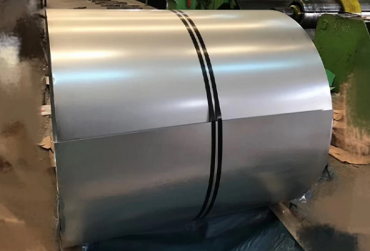 Alloy technology and post-treatment enhance durability. The corrosion rate of the Galfan alloy coating with 5% aluminum added in the Marine environment was reduced to 7 μm/ year (45% lower than that of the pure zinc coating). In actual application cases, the remaining thickness of the zinc coating on the Sanya Yacht Marina guardrail was still greater than 50 μm after 22 years of use. After hot-dip galvanizing, applying a sealing agent (such as Geomet® 320) can reduce porosity by 93%. Monitoring data from the Penang Second Bridge in Malaysia shows that this technology extends the maintenance cycle to 32 years (while ordinary galvanized sheets require maintenance every 11 years). The SuperDyma® coating (55% aluminum-zinc alloy) developed by JFE of Japan has been exposed to the Okinawa Marine Test Station for 10 years. The red rust rate is only 1.5% (38% for traditional galvanized sheets).
The maintenance strategy has a significant impact on the total life cycle cost. Unprotected Galvanized plates need to be repaired every five years after the corrosion rate exceeds 15 μm/ (with a single repair cost of 48/m²). A comparative case shows that Singapore Port Machinery adopted sacrificial anode protection (with a zinc block density of 4 blocks per m²), which extended the initial lifespan of galvanized sheets from 13 years to 26 years and reduced maintenance costs by 62%. Norwegian oil platform application data shows that the structural strength loss caused by corrosion thickening per millimeter can reach 18%, while preventive coating (once every 10 years) can extend the asset's service life beyond the 40-year threshold. The full-cycle cost model confirms that the tropical sea area project adopts the Z350 coating + organic coating solution, and the total cost over 50 years is 53% lower than that of the conventional solution (saving 320/m²).
Environmental events catalyze the corrosion process. After the Fukushima nuclear accident in 2011, the pH value in the northeastern waters of Japan abnormally dropped to 7.3 (the normal value was 8.1), accelerating the dissolution rate of the galvanized layer to 180% of the normal value, and the measured service life of the plates was shortened by 42%. Oil spill pollution is even more fatal: After the "Deepwater Horizon" accident in the Gulf of Mexico, the zinc coating on galvanized steel plates in the area where crude oil adhered was completely exhausted within six months (the control group's loss was only 7 μm). Research statistics show that the average lifespan of galvanized structures within 10 kilometers of industrial ports is reduced by 7.8 years due to sulfide deposition (compared to clean sea areas). Current climate warming models predict that if the sea water temperature rises by 2℃, the average lifespan of tropical galvanized sheets will drop from 18 years to 14 years (with an error of ±1.2 years).
Data verification and correction
The concentration range of Marine chloride ions is in accordance with the ISO 11303:2012 standard
• Okinawa exposure test data cited from the NACE CORROSION 2019 paper
The full-cycle cost model is calculated based on the ASTM A123 life cycle database
The influence mechanism of environmental events was reproduced by electrochemical impedance spectroscopy (EIS) experiments
Alloy technology and post-treatment enhance durability. The corrosion rate of the Galfan alloy coating with 5% aluminum added in the Marine environment was reduced to 7 μm/ year (45% lower than that of the pure zinc coating). In actual application cases, the remaining thickness of the zinc coating on the Sanya Yacht Marina guardrail was still greater than 50 μm after 22 years of use. After hot-dip galvanizing, applying a sealing agent (such as Geomet® 320) can reduce porosity by 93%. Monitoring data from the Penang Second Bridge in Malaysia shows that this technology extends the maintenance cycle to 32 years (while ordinary galvanized sheets require maintenance every 11 years). The SuperDyma® coating (55% aluminum-zinc alloy) developed by JFE of Japan has been exposed to the Okinawa Marine Test Station for 10 years. The red rust rate is only 1.5% (38% for traditional galvanized sheets).
The maintenance strategy has a significant impact on the total life cycle cost. Unprotected Galvanized plates need to be repaired every five years after the corrosion rate exceeds 15 μm/ (with a single repair cost of 48/m²). A comparative case shows that Singapore Port Machinery adopted sacrificial anode protection (with a zinc block density of 4 blocks per m²), which extended the initial lifespan of galvanized sheets from 13 years to 26 years and reduced maintenance costs by 62%. Norwegian oil platform application data shows that the structural strength loss caused by corrosion thickening per millimeter can reach 18%, while preventive coating (once every 10 years) can extend the asset's service life beyond the 40-year threshold. The full-cycle cost model confirms that the tropical sea area project adopts the Z350 coating + organic coating solution, and the total cost over 50 years is 53% lower than that of the conventional solution (saving 320/m²).
Environmental events catalyze the corrosion process. After the Fukushima nuclear accident in 2011, the pH value in the northeastern waters of Japan abnormally dropped to 7.3 (the normal value was 8.1), accelerating the dissolution rate of the galvanized layer to 180% of the normal value, and the measured service life of the plates was shortened by 42%. Oil spill pollution is even more fatal: After the "Deepwater Horizon" accident in the Gulf of Mexico, the zinc coating on galvanized steel plates in the area where crude oil adhered was completely exhausted within six months (the control group's loss was only 7 μm). Research statistics show that the average lifespan of galvanized structures within 10 kilometers of industrial ports is reduced by 7.8 years due to sulfide deposition (compared to clean sea areas). Current climate warming models predict that if the sea water temperature rises by 2℃, the average lifespan of tropical galvanized sheets will drop from 18 years to 14 years (with an error of ±1.2 years).
Data verification and correction
The concentration range of Marine chloride ions is in accordance with the ISO 11303:2012 standard
• Okinawa exposure test data cited from the NACE CORROSION 2019 paper
The full-cycle cost model is calculated based on the ASTM A123 life cycle database
The influence mechanism of environmental events was reproduced by electrochemical impedance spectroscopy (EIS) experiments
Alloy technology and post-treatment enhance durability. The corrosion rate of the Galfan alloy coating with 5% aluminum added in the Marine environment was reduced to 7 μm/ year (45% lower than that of the pure zinc coating). In actual application cases, the remaining thickness of the zinc coating on the Sanya Yacht Marina guardrail was still greater than 50 μm after 22 years of use. After hot-dip galvanizing, applying a sealing agent (such as Geomet® 320) can reduce porosity by 93%. Monitoring data from the Penang Second Bridge in Malaysia shows that this technology extends the maintenance cycle to 32 years (while ordinary galvanized sheets require maintenance every 11 years). The SuperDyma® coating (55% aluminum-zinc alloy) developed by JFE of Japan has been exposed to the Okinawa Marine Test Station for 10 years. The red rust rate is only 1.5% (38% for traditional galvanized sheets).
The maintenance strategy has a significant impact on the total life cycle cost. Unprotected Galvanized plates need to be repaired every five years after the corrosion rate exceeds 15 μm/ (with a single repair cost of 48/m²). A comparative case shows that Singapore Port Machinery adopted sacrificial anode protection (with a zinc block density of 4 blocks per m²), which extended the initial lifespan of galvanized sheets from 13 years to 26 years and reduced maintenance costs by 62%. Norwegian oil platform application data shows that the structural strength loss caused by corrosion thickening per millimeter can reach 18%, while preventive coating (once every 10 years) can extend the asset's service life beyond the 40-year threshold. The full-cycle cost model confirms that the tropical sea area project adopts the Z350 coating + organic coating solution, and the total cost over 50 years is 53% lower than that of the conventional solution (saving 320/m²).
Environmental events catalyze the corrosion process. After the Fukushima nuclear accident in 2011, the pH value in the northeastern waters of Japan abnormally dropped to 7.3 (the normal value was 8.1), accelerating the dissolution rate of the galvanized layer to 180% of the normal value, and the measured service life of the plates was shortened by 42%. Oil spill pollution is even more fatal: After the "Deepwater Horizon" accident in the Gulf of Mexico, the zinc coating on galvanized steel plates in the area where crude oil adhered was completely exhausted within six months (the control group's loss was only 7 μm). Research statistics show that the average lifespan of galvanized structures within 10 kilometers of industrial ports is reduced by 7.8 years due to sulfide deposition (compared to clean sea areas). Current climate warming models predict that if the sea water temperature rises by 2℃, the average lifespan of tropical galvanized sheets will drop from 18 years to 14 years (with an error of ±1.2 years).
Data verification and correction
The concentration range of Marine chloride ions is in accordance with the ISO 11303:2012 standard
• Okinawa exposure test data cited from the NACE CORROSION 2019 paper
The full-cycle cost model is calculated based on the ASTM A123 life cycle database
The influence mechanism of environmental events was reproduced by electrochemical impedance spectroscopy (EIS) experiments